Can a Single App Be Developed to Run on Both Android and iOS?
Learn how a single app can run on both Android and iOS using Flutter and React Native. Discover the benefits of cross-platform mobile app development, when it's the right choice, and how Wamda Core builds scalable, high-performance mobile applications.
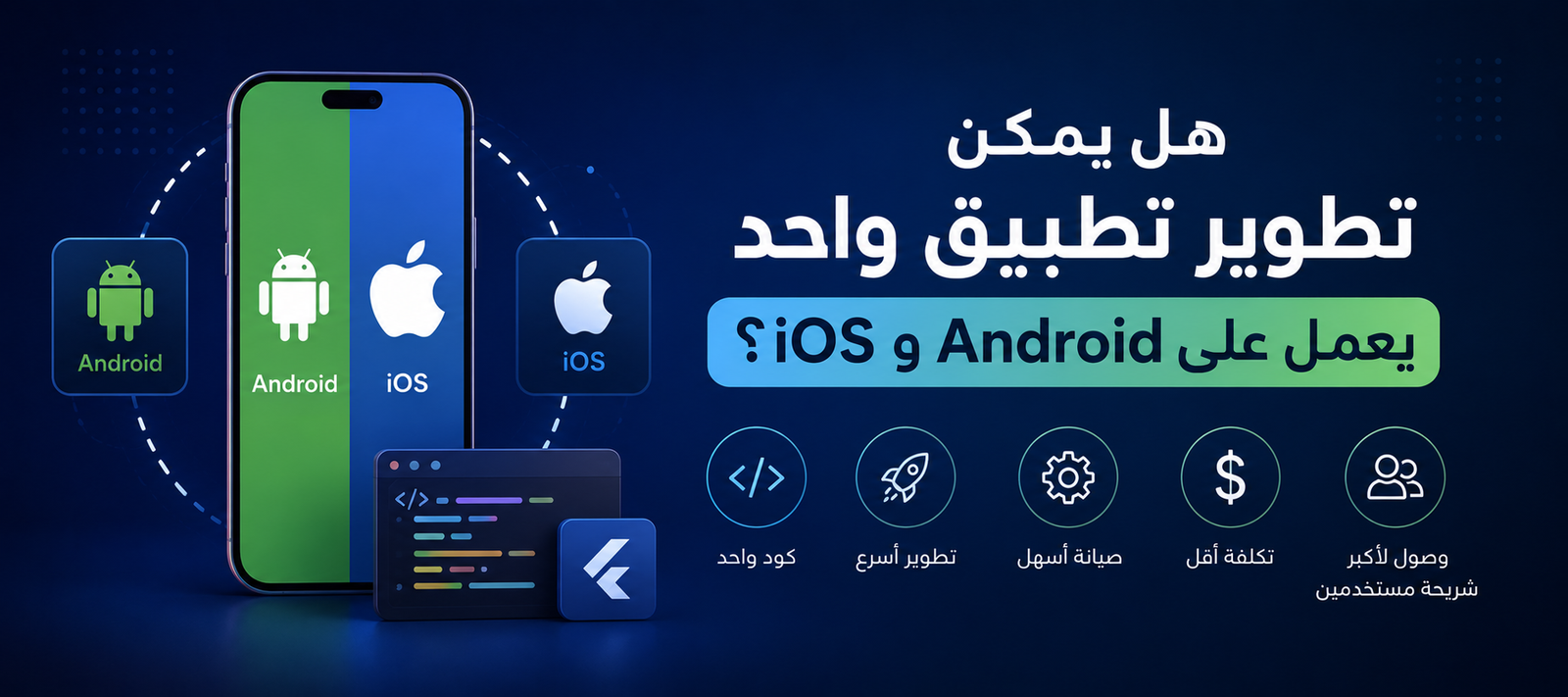
Can a Single App Be Developed to Run on Both Android and iOS?
Building a single app that runs on both Android and iOS has become one of the most popular choices for businesses and entrepreneurs launching digital products. Instead of developing two separate applications, modern technologies now make it possible to create one application using a single codebase, reducing development time and costs while accelerating the launch process.
With the rapid evolution of mobile app development, frameworks such as Flutter and React Native have made cross-platform development more efficient, delivering excellent performance and user experience. This raises an important question: Is it really possible to develop one application for both Android and iOS without sacrificing quality or performance?
In this article, we'll explore how to develop an app for both platforms, the most widely used technologies, the advantages and disadvantages of this approach, when it is the best option for different types of projects, and how Wamda Core helps businesses choose the right technology for efficient mobile app development.
What Does Developing a Single App for Android and iOS Mean?
Understanding Cross-Platform App Development
Developing one application for Android and iOS means using a technology that allows developers to build a single application that runs on both operating systems through a single codebase, instead of creating separate apps for each platform.
With this approach, developers write the code once and then deploy it to both Android and iPhone devices, making only minor platform-specific adjustments when necessary. This significantly reduces development time and effort compared to traditional native development.
Today, this has become one of the most popular approaches in mobile app development, especially for startups and businesses looking to launch products quickly and reach a broader audience.
How Do Cross-Platform Applications Work?
Cross-platform applications rely on development frameworks that create a bridge between the application's source code and the operating system, allowing the same code to interact with Android and iOS features without building two separate applications.
These frameworks handle tasks such as:
- Running the application on both platforms
- Accessing device features like the camera and GPS
- Managing push notifications
- Connecting to databases
- Optimizing the user interface for each operating system
Thanks to these technologies, businesses can develop an app using a single codebase while still delivering a professional user experience.
Why Do Companies Prefer Developing One Application?
Lower Development Costs
One of the biggest reasons companies choose cross-platform development is the reduction in mobile app development costs.
Instead of hiring separate Android and iOS development teams, a single team can build the entire project using a cross-platform framework.
This results in:
- Lower development expenses
- Reduced testing costs
- Lower maintenance costs
- Faster product development cycles
Faster Time to Market
The shorter the development process, the faster a business can reach its customers.
Developing one application makes it possible to:
- Build Android and iOS versions simultaneously
- Release updates for both platforms at the same time
- Validate business ideas more quickly
- Collect user feedback earlier
This is why many startups choose this development model when launching their first product.
Easier Project Management
With a single codebase, managing the project becomes much more efficient because developers maintain all changes in one place.
This helps:
- Reduce programming errors
- Simplify feature additions
- Maintain a consistent user experience
- Speed up maintenance and future updates
As a result, developing one application has become a practical solution for businesses seeking flexibility and efficiency.
Most Popular Cross-Platform Mobile App Development Technologies
Flutter
Flutter is currently one of the most widely used frameworks in mobile app development. Created by Google, it enables developers to build high-performance Android and iOS applications from a single codebase.
Flutter offers several advantages, including:
- Near-native performance
- Beautiful, customizable user interfaces
- Fast development
- Advanced libraries and tools
- A large developer community
For these reasons, Flutter has become a top choice for companies planning modern app development projects.
React Native
React Native, developed by Meta, allows developers to create Android and iOS applications using JavaScript.
Its key benefits include:
- High code reusability
- Faster development
- Strong developer community
- Extensive library ecosystem
- Easy integration with third-party services
React Native powers many globally recognized applications that require rapid development while maintaining an excellent user experience.
Xamarin
Xamarin is Microsoft's cross-platform development solution built around the C# programming language.
Its main advantages include:
- High code sharing
- Excellent Microsoft ecosystem integration
- Strong support for enterprise applications
- Access to native device capabilities
Although Flutter and React Native have become more popular in recent years, Xamarin continues to be used in enterprise environments, particularly by organizations already invested in Microsoft technologies.
Is the Performance Comparable to Native Apps?
One of the most common questions when considering cross-platform app development is whether performance matches that of native applications.
Today, modern frameworks like Flutter deliver performance that is very close to native apps, especially for business applications, e-commerce platforms, service marketplaces, and booking systems.
However, native applications may still be the better choice for projects that heavily rely on:
- Advanced 3D graphics
- High-performance gaming
- Augmented Reality (AR) and Virtual Reality (VR)
- Extensive use of device-specific hardware features
For most commercial mobile app development projects, cross-platform technologies offer an outstanding balance between performance, development cost, and delivery speed.
At Wamda Core, every project begins with a detailed analysis of its business goals and technical requirements to select the most suitable technology, ensuring optimal performance while staying aligned with the available budget and future scalability plans.
Advantages of Developing One App for Android and iOS
Lower Development Costs
One of the biggest advantages of cross-platform development is cost reduction. Instead of building two separate applications, developers create a single app that runs on both operating systems, reducing programming, testing, and maintenance costs.
The benefits include:
- Fewer development hours
- Lower team costs
- Reduced long-term maintenance expenses
- Faster return on investment (ROI)
This is why many companies choose this approach for their mobile app development projects.
Faster Time to Market
The sooner an application is launched, the greater the opportunity to reach customers and validate business ideas before competitors.
Developing a single application allows businesses to:
- Launch on Android and iOS simultaneously
- Test the market more quickly
- Gather user feedback earlier
- Release synchronized updates
This gives businesses greater flexibility to continuously improve their products.
Easier Maintenance and Updates
With a single codebase, maintaining the application becomes much simpler than managing two independent projects.
Key advantages include:
- One update serves both platforms
- Faster bug fixes
- Reduced risk of inconsistencies between versions
- Easier implementation of new features
This significantly reduces the time and effort required after the application is launched.
Consistent User Experience
Using a single development framework helps maintain a consistent brand identity and user experience across different devices.
This includes:
- Unified design
- Consistent functionality
- Smooth navigation
- A seamless user experience
Although Android and iOS have their own design guidelines, modern frameworks make it possible to deliver experiences that feel natural on both platforms without compromising quality.
When Is Developing One Application the Best Choice?
Startups
Startups often operate with limited budgets, making cross-platform development an economical solution for launching products quickly.
It is particularly suitable when the goal is to:
- Validate a new business idea
- Launch a Minimum Viable Product (MVP)
- Reach the largest possible audience
- Minimize development costs
E-commerce Applications
Online stores need to reach both Android and iPhone users simultaneously.
Developing one application helps businesses:
- Launch faster
- Manage orders more efficiently
- Maintain synchronized updates
- Improve the overall shopping experience
Service Applications
Applications such as:
- Food delivery
- Appointment booking
- Home maintenance services
- E-learning platforms
- Healthcare applications
typically do not require separate native applications, making cross-platform development an ideal solution.
When Is Native Development the Better Choice?
Despite the many advantages of cross-platform applications, certain projects are better suited for native development.
Examples include:
- High-end games
- Virtual Reality (VR) applications
- Augmented Reality (AR) applications
- Apps that rely heavily on device hardware
- Applications requiring maximum performance
For these types of projects, native development generally delivers the best possible results.
Challenges of Developing One Application
Different Design Guidelines
Android and iOS each have their own user interface conventions.
Developers must consider:
- Navigation controls
- Menus
- Notifications
- User interactions
- Platform-specific design standards
Modern development frameworks provide tools that help adapt applications to these differences.
Accessing Device Features
Some applications require access to hardware components such as:
- Camera
- Bluetooth
- GPS
- Fingerprint authentication
- NFC
Although most cross-platform frameworks support these features, certain advanced capabilities may require custom native code for each operating system.
Performance Optimization
Large-scale applications often require additional optimization to ensure smooth performance.
Common optimization tasks include:
- Reducing memory consumption
- Improving page loading speed
- Efficient data management
- Optimizing animations
These improvements help maintain a responsive user experience even as the user base grows.
How to Choose the Right Development Technology
Selecting the appropriate technology depends on several factors, including:
- Project requirements
- Application size
- Available budget
- Launch timeline
- Expected number of users
- Future scalability
There is no universal solution—every project requires a technology stack that aligns with its business objectives.
How Wamda Core Helps with Mobile App Development
At Wamda Core, every project begins with a comprehensive analysis to determine the technology that offers the best balance between performance, cost, and development speed.
Its services include:
- Application idea analysis
- UI/UX design
- Technology selection
- Mobile app development for Android and iOS
- Application testing before launch
- Post-launch technical support and maintenance
This approach ensures scalable, secure applications that deliver outstanding performance throughout every stage of the project.
Can an Existing App Be Converted to Support Android and iOS?
In some cases, an application built for one operating system can be adapted to support another, but the process depends largely on how the application was originally developed.
If the application was built using a cross-platform framework, adding support for another operating system is generally faster and easier.
However, if it was developed as a fully native application, developers may need to rewrite significant portions of the code—or even build a separate version entirely.
For this reason, businesses planning to target both Android and iOS users should consider cross-platform development from the beginning to save both time and long-term development costs.
Tips Before Starting a Mobile App Development Project
Define Your Application Goals
Before starting any app development project, clearly define objectives such as:
- Target audience
- Core services
- Essential features
- Future expansion plans
Clear planning makes it easier to select the right technology and accurately define project requirements.
Choose the Right Technology
No single technology fits every project.
The best choice depends on:
- Application type
- Project size
- Budget
- Performance requirements
- Desired launch speed
For some projects, Flutter may be the ideal solution, while others may benefit more from native development.
Focus on User Experience
A successful application depends not only on programming quality but also on an outstanding user experience.
Developers should prioritize:
- Easy navigation
- Fast response times
- Clean interface design
- Fewer steps to complete tasks
- Compatibility across multiple devices
Plan for Maintenance and Future Updates
Application development continues long after launch.
A long-term maintenance strategy should include:
- Bug fixes
- Security updates
- New feature releases
- Performance improvements
- Monitoring user feedback
Regular maintenance helps preserve application quality, improve stability, and increase user satisfaction over time.
Common Mistakes in Mobile App Development
Focusing Only on Cost
Choosing the cheapest development option is not always the best decision. While it may reduce initial expenses, it can result in an application that is difficult to maintain, expand, or improve in the future.
Instead, businesses should balance:
- Quality
- Performance
- Cost
- Scalability
Ignoring Scalability
An application may launch with a relatively small user base but grow rapidly as the business expands.
For this reason, the application's architecture should be designed to support:
- A growing number of users
- New features and services
- Integration with third-party systems
- Future performance optimization
Skipping Proper Testing
Launching an application without comprehensive testing can lead to issues that negatively affect the user experience.
Every application should be tested for:
- Performance
- Security
- Compatibility across different devices
- Ease of use
- Speed and responsiveness
The Future of Cross-Platform Mobile App Development
The field of mobile app development continues to evolve rapidly, with cross-platform technologies becoming more powerful than ever before.
Recent advancements have contributed to:
- Better performance
- A smaller performance gap compared to native applications
- Support for the latest operating system features
- Easier development and maintenance processes
As a result, more companies are adopting cross-platform development to reduce costs while accelerating the launch of their digital products.
Conclusion
Developing a single application for both Android and iOS has become a practical and cost-effective solution for many businesses. Modern frameworks such as Flutter and React Native provide excellent performance while significantly reducing development time and costs. This approach enables companies to reach a broader audience, simplify maintenance, and release updates more efficiently.
However, choosing the right technology always depends on the project's goals, technical requirements, and long-term vision. While many applications benefit from cross-platform development, others may require native development to achieve the highest possible performance.
If you're planning to develop an app or looking for an experienced partner in mobile app development, Wamda Core offers end-to-end solutions—from project analysis and UI/UX design to development, deployment, technical support, and ongoing maintenance—helping businesses build scalable, high-quality digital products that achieve their objectives.
Frequently Asked Questions (FAQ)
Can one application run on both Android and iOS?
Yes. Using cross-platform frameworks such as Flutter and React Native, developers can build a single codebase that works on both operating systems.
Is cross-platform app performance good?
Yes. Modern technologies deliver performance that is very close to native applications for most business apps, e-commerce platforms, and service applications.
Is developing one application less expensive?
In most cases, yes. Since developers work with a single codebase, programming, testing, and maintenance costs are significantly reduced.
What is the best technology for mobile app development?
The answer depends on the project's requirements. Flutter is one of the most popular choices for cross-platform applications, while native development is recommended for projects requiring maximum performance.
How Does Wamda Core Help with App Development?
Wamda Core provides comprehensive services that include project analysis, UI/UX design, technology selection, application development, testing, deployment, technical support, and ongoing maintenance.
Sources
- Flutter Documentation
- React Native Documentation
- Android Developers Documentation
- Apple Developer Documentation
- Google Material Design
- Apple Human Interface Guidelines
- MDN Web Docs
- Software Engineering and Mobile Application Development References
Related posts
What is the best programming language for website development?
Learn about the best programming languages for web development and how to choose the most suitable one for your project. A comprehensive guide to programming a professional website using JavaScript, Python, and PHP, with practical tips.
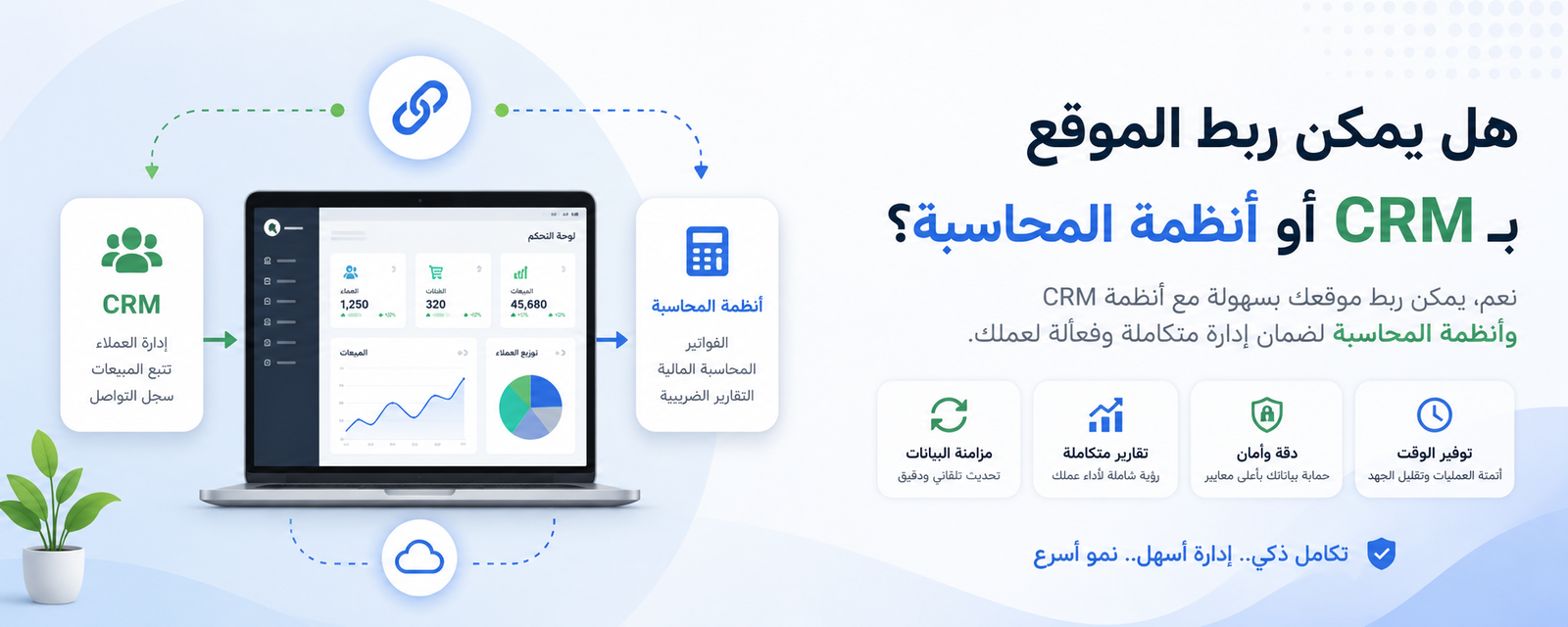
Can a Website Be Connected to CRM or Accounting Systems? | Core Programming Solutions
Learn how to connect your website with CRM and electronic accounting systems. Discover integration methods, benefits, APIs, and how Core builds scalable digital solutions.
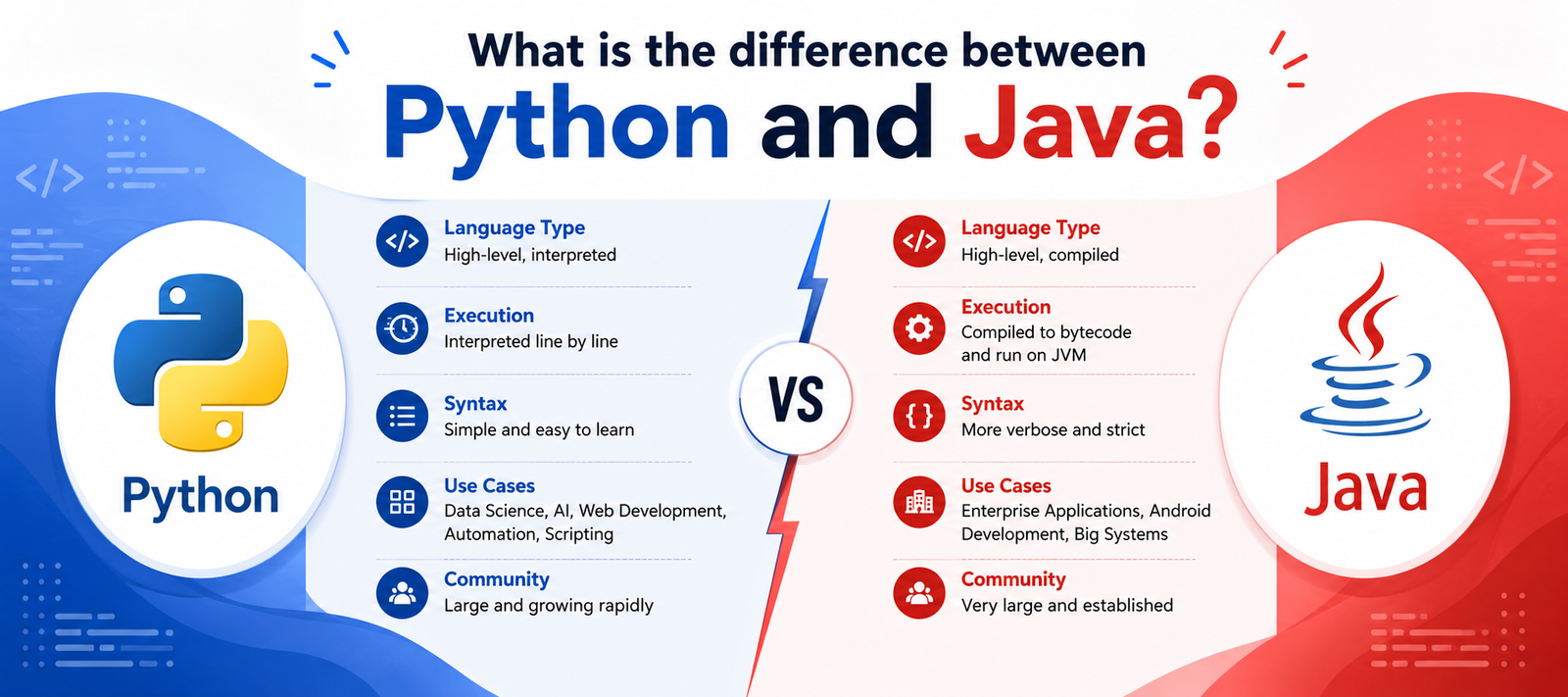
What is the difference between Python and Java?
Learn the difference between Python and Java in performance, web development, usage, and learning curve. A complete guide to choosing the right programming language for your project.
Got a project in mind?
Bring the idea — we'll deliver the product your customers will love.
Get in Touch